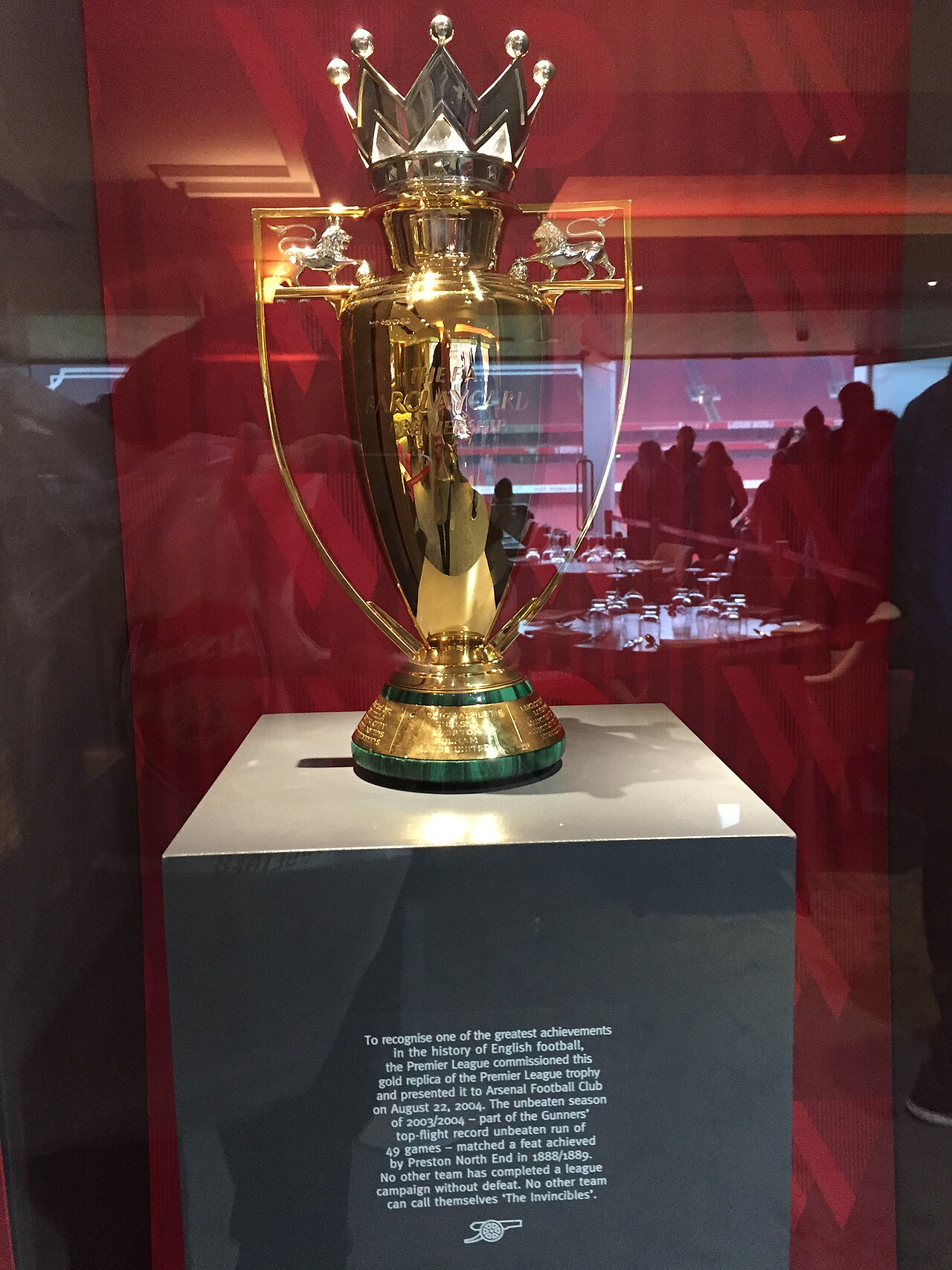
The wait is finally over. After more than two decades of frustration, false dawns, and seasons where the title slipped agonisingly away at the most crucial moments, Arsenal Football Club — under the stewardship of Mikel Arteta — have officially been crowned Premier League champions for the first time since their legendary "Invincibles" campaign of 2003–04.
The title was sealed in dramatic, indirect fashion — as so many Premier League crowns are. Manchester City's failure to defeat Bournemouth on the final matchday left the North London side mathematically unreachable at the summit of the table, triggering scenes of jubilation that spilled from the Emirates Stadium out across London and beyond.
They didn't just win the league — they announced the definitive return of Arsenal to the summit of English football.
How the Title Was Won
Manchester City's stumble against Bournemouth proved to be the decisive moment of an enthralling title race. For much of the campaign it had seemed as though Pep Guardiola's side, perennial masters of the Premier League era, would once again prove too strong down the stretch. Yet City dropped points at a critical juncture, and Arsenal never looked back.
Unlike previous Arsenal campaigns where they surrendered leads as the season reached its most demanding phase, Arteta's side maintained their competitive rhythm throughout. They delivered in the big matches, ground out results when the football was not flowing, and capitalised on every error their rivals made.
Arteta's Long-Term Project Bears Fruit
When Mikel Arteta was appointed head coach, Arsenal were deep in one of the most turbulent periods of their modern history. They were far removed from title contention and had even lost their foothold among Europe's elite clubs. The task of rebuilding the squad, restoring the culture, and reimposing an identity on the club was monumental.
The Spanish manager committed fully to a long-term vision — built around young, hungry players, a high-intensity tactical framework, and an unmistakable attacking identity. He did not waver from that vision, even when results demanded patience from an anxious fanbase.
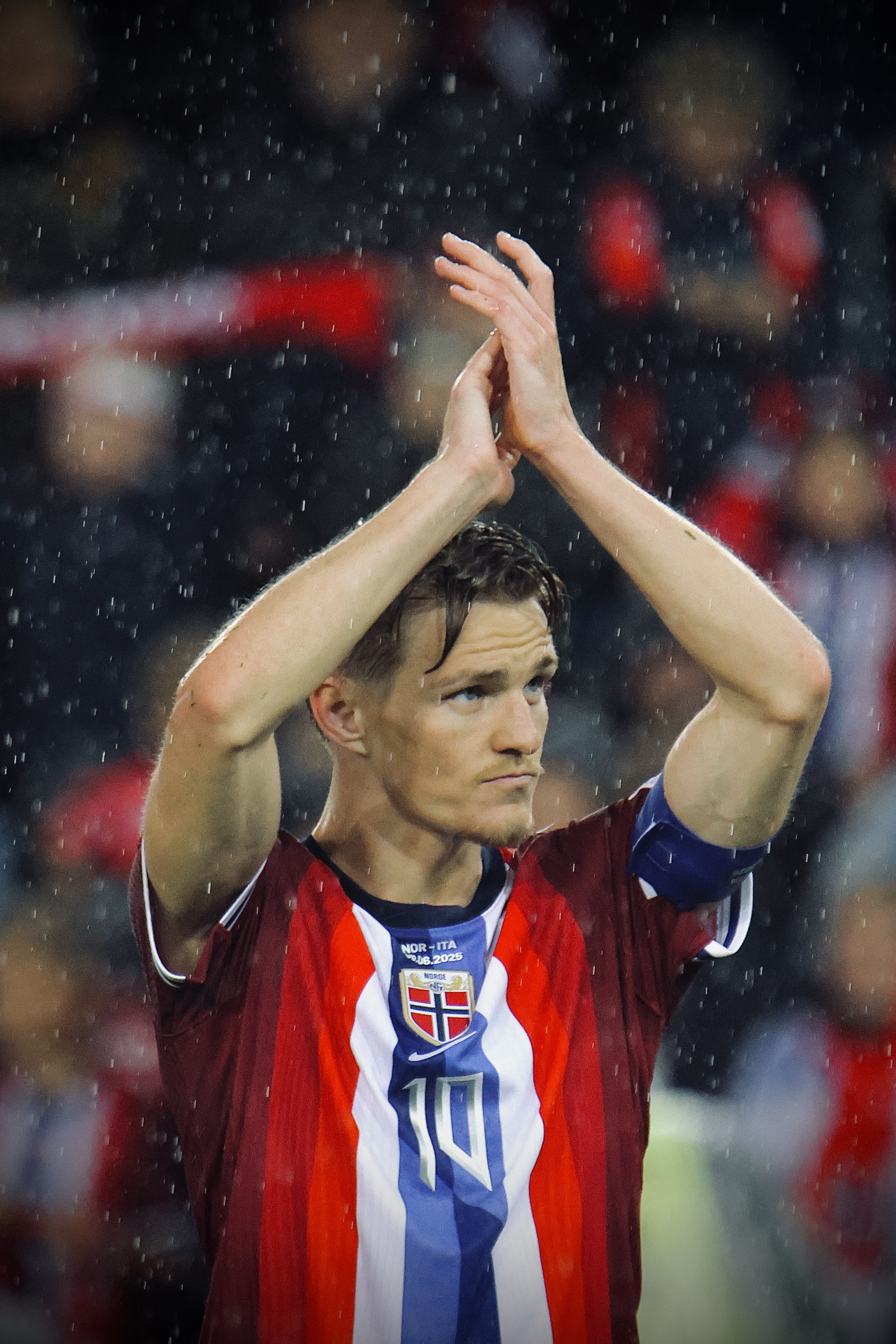
Over the course of several seasons, a core group of extraordinary players emerged as the spine of this championship-winning squad: Bukayo Saka, Martin Ødegaard, Declan Rice, and William Saliba. These players did not merely participate in Arsenal's resurgence — they defined it. Their combination of technical quality, tactical intelligence, and sheer physical endurance gave Arteta's system the human foundation it needed to function at the highest level across an entire league season.
The Ghost of Wenger's Invincibles
For Arsenal supporters of a certain generation, this title carries a weight that goes beyond football. The last time Arsenal lifted the Premier League trophy was the 2003–04 season — Arsène Wenger's greatest achievement, when the club went the entire 38-game campaign unbeaten. That side became immortalised as the "Invincibles," and their legacy had both inspired and haunted the club in equal measure ever since.
A Club Transformed
Beyond the title itself, what this season has demonstrated is a total transformation in the culture and atmosphere at Arsenal. The connection between the team and its supporters — frayed at times during the more turbulent years of rebuilding — has been fully restored. The Emirates Stadium, once an arena where anxiety could be palpable, became a fortress of belief and noise.
Arteta himself has spoken throughout the campaign about building something that endures — not merely winning a single title, but establishing Arsenal among the perennial contenders for years to come. The age profile of this squad, and the contract commitments the club has secured, suggest that this may genuinely be only the beginning.
The Dawn of a New Arsenal Era
Every generation of supporters deserves to celebrate a champion, and the Arsenal faithful have waited longer than most. What makes this title feel different from a momentary triumph is the sense that it arrives at the start of something rather than the end. A young squad with room to grow. A manager whose football philosophy is fully embedded. A club no longer chasing the past, but building toward a future it can define on its own terms.
With the Premier League trophy secured, the question for Arsenal is no longer whether they can compete at the summit of English football — it is how many more times they can get back there.
For an entire generation of supporters who grew up with this club in the shadow of its own legend, today is the day the waiting ended. Arsenal are champions of England again — and this time, they intend to stay.