The Unrealistic Target and What It Actually Signals
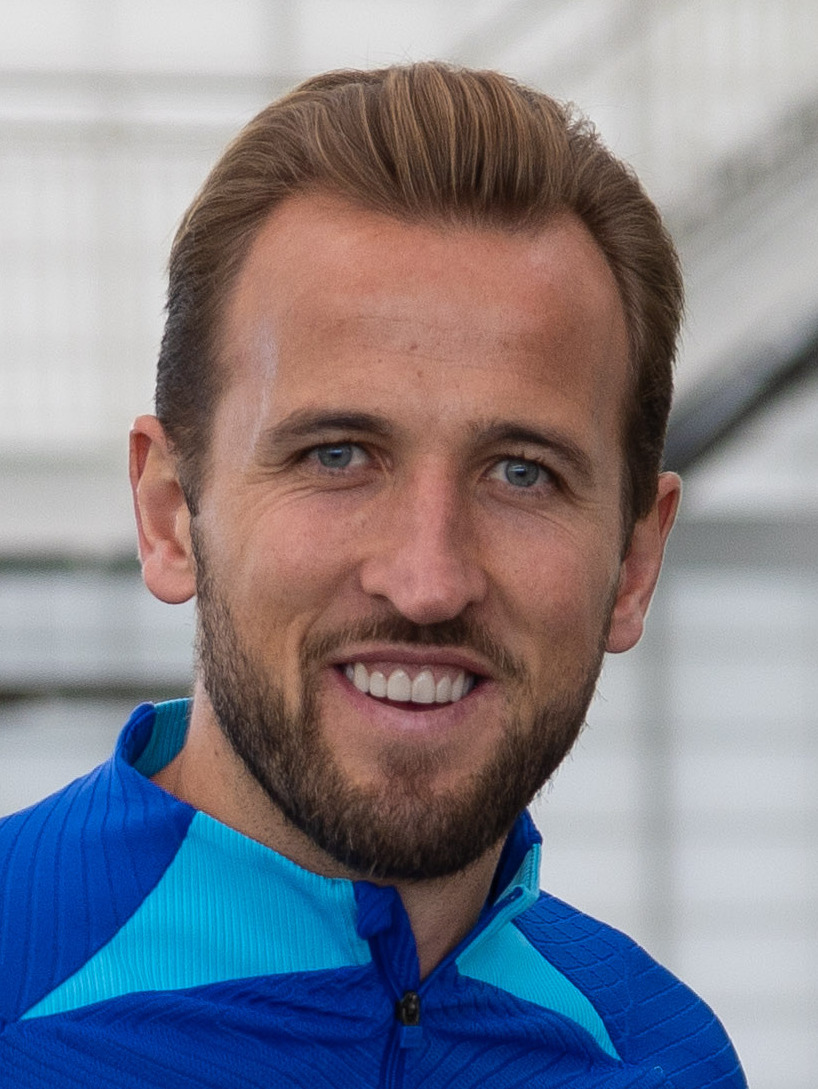
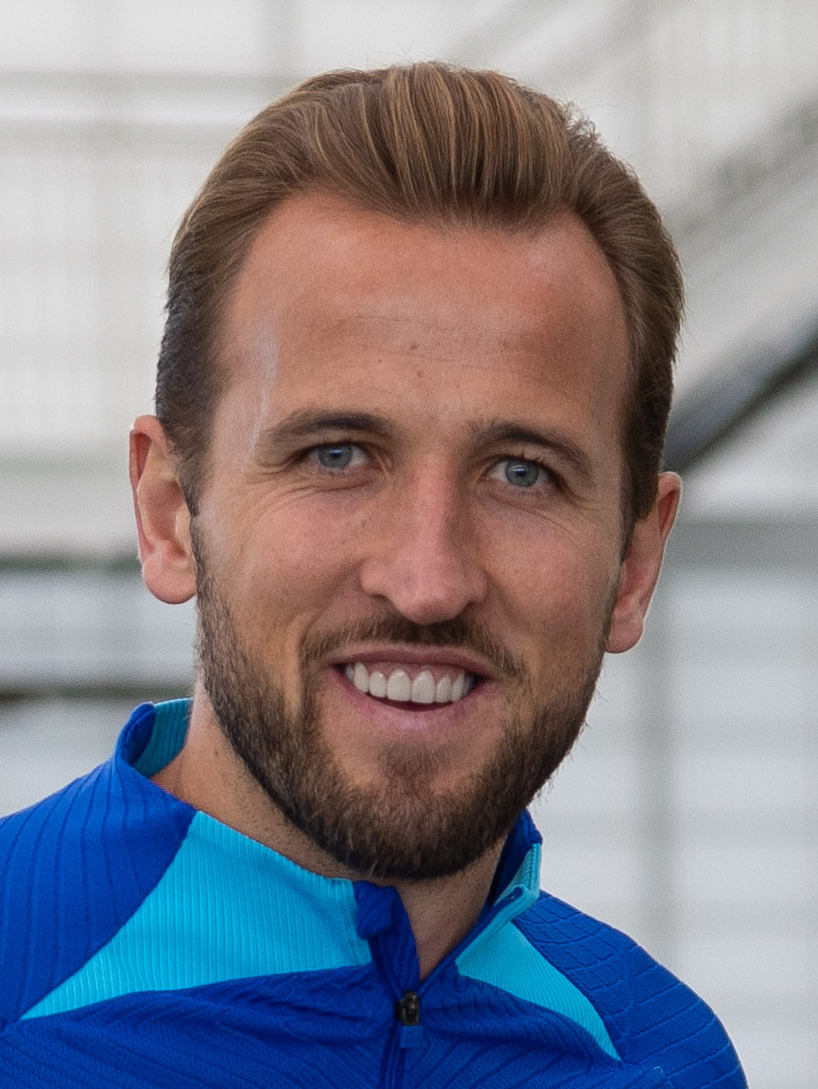
When Barcelona's name emerged alongside Harry Kane in the summer transfer speculation, the immediate instinct across European football was to dismiss it as tabloid noise. Bayern Munich's honorary president didn't waste time with subtlety—the club's response was mockery, a public swat-away designed to end conversation. But beneath the dismissal lies a more complex narrative about financial constraint, recruitment desperation, and the uncomfortable reality that even Barcelona's legendary pulling power has limits in the modern transfer market.
Kane, at 31 years old and entering his prime earning years, represents precisely the kind of established superstar Barcelona can no longer realistically pursue. His estimated €100 million valuation—a figure Bayern would likely demand—sits far beyond what the Catalan club can mobilise within La Liga's strict financial regulations. Barcelona's salary structure remains under severe scrutiny following years of mismanagement under previous administrations. This isn't speculation; it's institutional mathematics. The club generated approximately €1.35 billion in revenue during the 2022-23 season, yet their wage bill still consumes an unsustainable percentage of earnings, constraining their ability to make marquee acquisitions.
The Three-Man Shortlist and Barcelona's Actual Options
Rather than fixate on Kane, the real analytical value lies in examining Barcelona's confirmed striker targets. Reports suggest three primary candidates: Viktor Gyökeres of Sporting CP, Benjamin Šeško of RB Leipzig, and Serhou Guirassy of Southampton. This trinity reveals crucial truths about Barcelona's recruitment thinking post-Lewandowski.
Gyökeres presents the most interesting case study. The Swedish international scored 43 goals in 50 appearances across all competitions for Sporting during the 2023-24 season—elite productivity numbers comparable to Lewandowski's output at similar career stages. Yet he operates in the Portuguese league, which grants Barcelona negotiating leverage on valuation. Sporting's asking price, estimated around €65 million, sits within realistic parameters for a club of Barcelona's scale. Critically, Gyökeres' age (26) aligns with a rebuild philosophy rather than quick-fix thinking.
Šeško, conversely, represents the investment-in-youth model. The Slovenian has shown promising development at Leipzig—16 goals in 36 Bundesliga appearances this season—but remains unproven at the highest level. His rumoured €60 million release clause represents acceptable risk for a player who could develop into a generational talent under Barcelona's coaching infrastructure. However, it also acknowledges that Barcelona cannot command the immediate, guaranteed impact of an established elite striker.
Guirassy's Southampton profile is the most telling. A talented but mid-tier Premier League performer, his inclusion suggests Barcelona is exploring options in the €40-50 million bracket—realistic targets rather than aspirational ones.
Financial Reality Versus Competitive Ambition
This gap between Kane and these alternatives crystallises Barcelona's fundamental predicament. They compete in La Liga with Real Madrid and Atlético Madrid, clubs with substantially greater financial flexibility. Real Madrid, without the regulatory constraints that plague Barcelona, can pursue world-class players with minimal friction. Barcelona, meanwhile, must construct squads through more creative, compromise-laden recruitment.
Bayern Munich's public dismissal of Barcelona's interest—whether or not such interest genuinely existed at serious levels—served a specific purpose: reinforcing their institutional strength. Bayern chairman Jan-Christian Dreese and honorary president Uli Hoeness sent a clear signal: our players are not for sale to struggling competitors. Yet this very assertion contains an uncomfortable subtext. Elite players don't require such vigorous public defense unless there exists genuine concern about their retention. The fact that Bayern felt compelled to mock Barcelona suggests, counterintuitively, that Kane's potential departure was never truly contemplated internally—or that the club needed to pre-emptively kill speculation that might gain traction with an increasingly footloose striker market.
Kane's Gravitational Pull and Munich's Unspoken Anxiety
Kane's move to Bayern in 2023 was framed as legacy-building: the world's premier active striker joining one of Europe's historic powers at precisely the right moment to add continental glory to an already glittering domestic resume. Yet eighteen months into his Bavarian tenure, certain realities have shifted. Bayern's Champions League progression has been less dominant than pre-Kane projections suggested. The club's Bundesliga supremacy, while assured, faces increasingly sophisticated competition from Bayer Leverkusen. Kane himself has delivered 36 goals in 89 appearances—exceptional output, certainly, but not the transformative European dominance that justified his acquisition.
Barcelona's supposed interest, therefore, should be contextualised not as genuine recruitment planning but as leverage-building in a broader negotiation landscape. Barcelona's ownership may have privately explored Kane's availability partly as a negotiating signal to other targets: we can access top-tier talent; your resistance to recruitment overtures is noted. It's a tactic born from weakness masquerading as ambition.
The Broader Power Shift in European Football
This entire episode illuminates a structural realignment in European football's competitive hierarchy. Bayern remains powerful, yes—but their ability to unilaterally command transfer outcomes is eroding. Paris Saint-Germain, Manchester City, and increasingly Saudi-backed clubs have fragmented the old certainties about which institutions could access which players. Barcelona, despite their struggles, retain sufficient institutional gravitas to at least make inquiries about world-class players, even if consummating deals remains prohibitively expensive.
The Kane pursuit—real or inflated—represents Barcelona's attempt to maintain psychological presence in the elite striker market while practical recruitment focuses on secondary-tier talent. It's a strategy that acknowledges both aspiration and constraint: we want to be relevant in conversations about the world's best players, even if our actual purchasing power targets the tier below.
For Kane personally, the Bayern investment represents a final commitment to legacy consolidation rather than the kind of sporting adventure younger players might seek. Barcelona's interest, genuine or speculative, offered a narrative hook he would likely have rejected anyway. Some gravitational fields are too strong to escape.
Source information via Football España. Original reporting by Dribblestack editorial team.