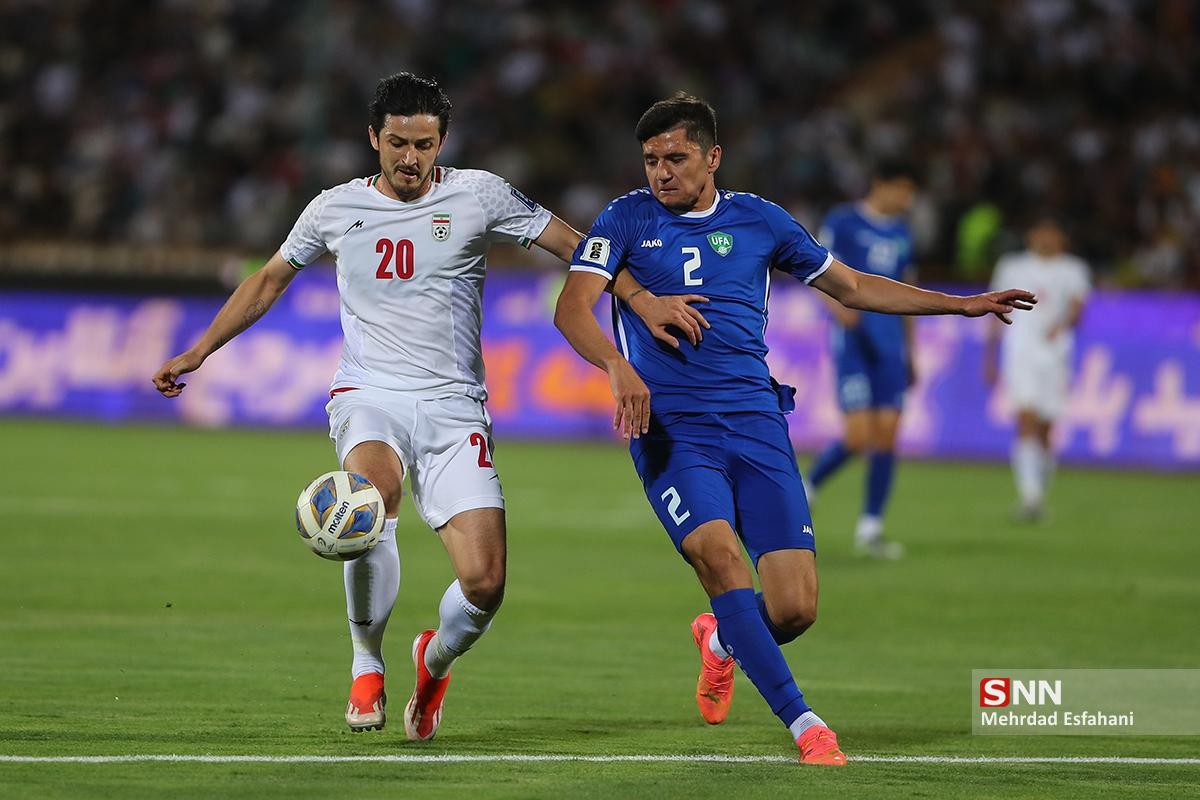
FIFA Green-Lights Diplomatic Workaround
FIFA has officially approved Iran's request to relocate its World Cup training base from the United States to Mexico ahead of the 2026 tournament, according to an announcement from Iran's football federation. The decision represents a significant diplomatic accommodation—one that underscores how even football's grandest stage cannot escape the gravitational pull of international geopolitics.
The shift signals that FIFA deemed the original US-based arrangement problematic enough to warrant intervention. By blessing the alternative Mexican location, world football's governing body has effectively validated Iran's concerns about its delegation's safety and operational security on American soil, where decades of hostile US-Iran relations continue to simmer beneath the surface.
Mexico's Neutral Ground
Mexico's willingness to serve as host for Iran's preparations reflects its carefully cultivated diplomatic neutrality within North America. As a nation that maintains diplomatic relations across the political spectrum—neither fully aligned with Washington nor hostile to Tehran—Mexico has positioned itself as a natural mediator in situations where geopolitical friction threatens international cooperation.
For Iran's delegation, training in Mexico provides practical benefits: proximity to the United States (where matches will occur), geographic stability, and distance from the heightened tensions of American soil. The arrangement allows Iran's squad to prepare without the distraction of navigating the complex security and political landscape they would have faced in the US.
A Precedent for 2026 and Beyond
This accommodation sets a crucial precedent. As FIFA prepares for a 2026 World Cup that will be hosted across three nations—the United States, Canada, and Mexico—expect similar requests from other delegations. Nations with complicated bilateral relations to the US, or competing geopolitical interests, may seek comparable alternatives.
The Iran decision demonstrates that FIFA, when pressed by legitimate concerns rooted in international relations, will flex its authority to keep the tournament functioning smoothly. The alternative—forcing a confrontation between football governance and geopolitical reality—would have risked Iran's participation entirely.
What It Means for Competition
Beyond the diplomatic theater, the logistics matter. Teams that arrive unprepared, undermotivated, or distracted by off-field tensions often underperform. By accommodating Iran's relocation request, FIFA has removed a potential obstacle to competitive balance. Iran can now focus entirely on football preparation rather than navigating diplomatic minefields.
Yet the arrangement also highlights an uncomfortable truth: not all teams compete on equal footing at the World Cup. While some nations enjoy straightforward preparation, others must negotiate their way through geopolitical obstacles just to reach the tournament in optimal condition. That asymmetry, though necessary in this case, remains a reminder that the world's biggest sporting event exists within the world's most complex political landscape.
Iran will begin formal preparations from its Mexican base in the coming months as it gears up for what promises to be a closely watched 2026 campaign.
Source information via BBC Sport Football. Original reporting by Dribblestack editorial team.