The Signing Nobody Saw Coming
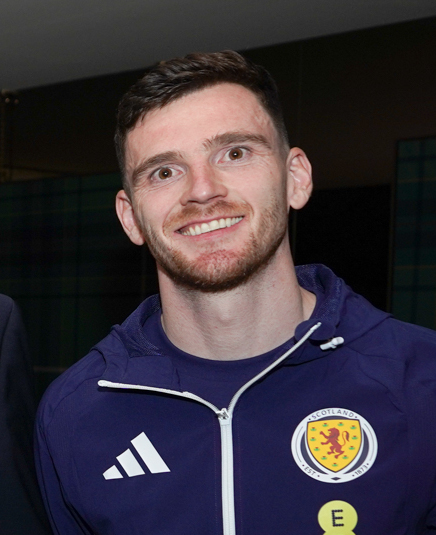
When Liverpool completed the transfer of Andy Robertson from Hull City in the summer of 2017 for £8 million, the football world barely noticed. The narrative surrounding that window had already been written: Jürgen Klopp had splashed out £75 million on Mohamed Salah, broken his transfer record for Sadio Mané, and invested significantly in defensive reinforcement. In the shadow of those headline signings, a 23-year-old left-back arriving from a relegated Championship side seemed like exactly what it appeared to be on the surface—a low-risk, depth option for a manager rebuilding a defence.
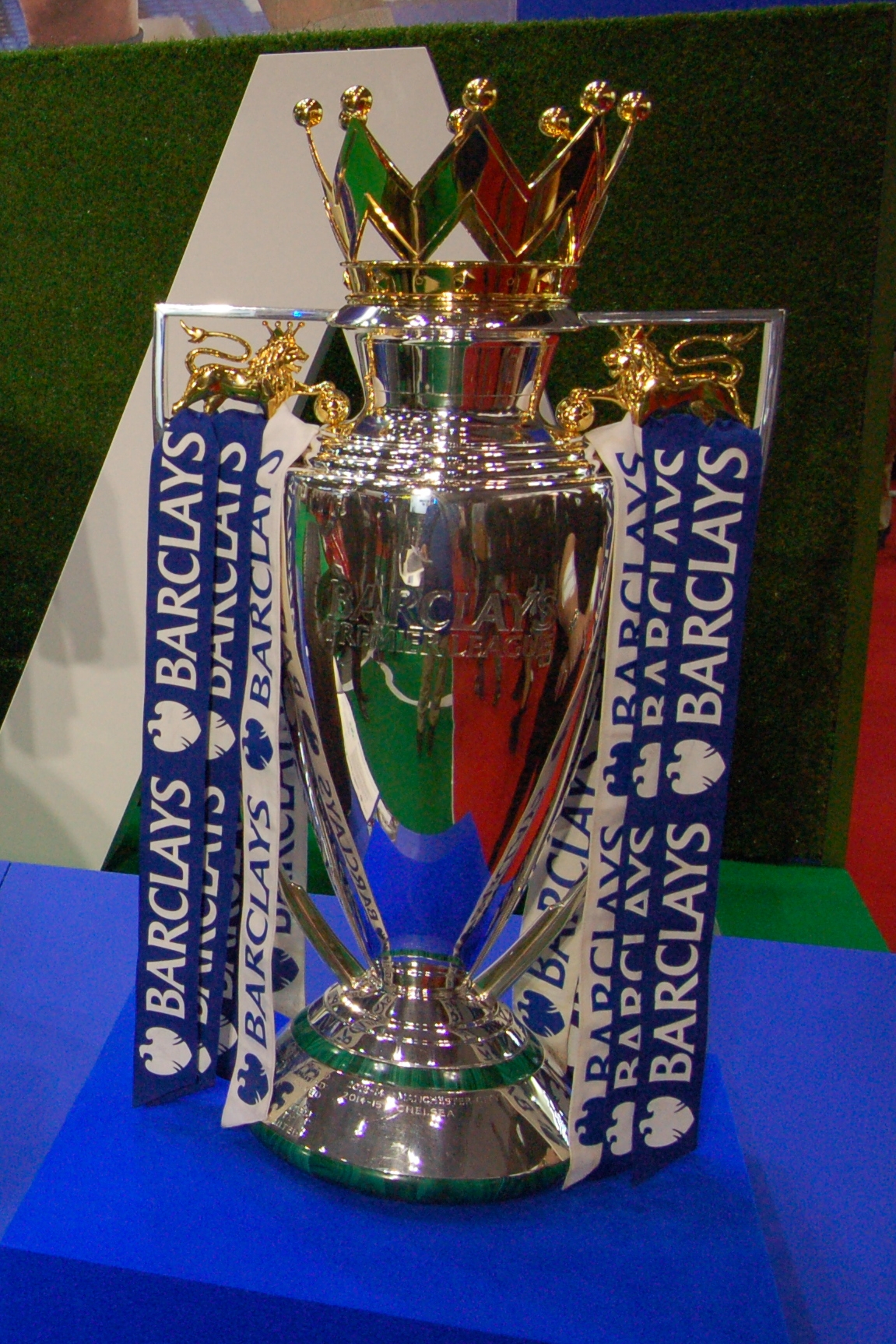
This misreading of Robertson's arrival would prove to be one of the most significant misjudgements in recent Premier League history. What appeared to be a pragmatic squad rotation piece transformed into the foundational block of Liverpool's most dominant period since the 1980s. His nine-year tenure at Anfield, concluding after this season, encapsulates something far more profound than a simple player biography: it is the story of how meticulous recruitment and faith in undervalued talent can reshape a football club's trajectory.
The Anatomy of Underrated Recruitment
To understand Robertson's true value requires stepping back from the emotional farewell narratives and examining the tactical and statistical reality of his impact. Hull's descent into the Championship had obscured a player whose underlying metrics suggested elite potential. Robertson had accumulated 4 assists in his final Hull season and demonstrated the physical attributes—pace, stamina, crossing ability—that modern football demands of attacking fullbacks. Yet the combination of Hull's collapse and the crowded marketplace for established Premier League talent meant he arrived at Liverpool as an afterthought.
This is where Klopp's analytical infrastructure proved decisive. Rather than viewing the left-back position as one requiring an established name, Liverpool's recruitment identified a profile that could be developed within their system. Robertson's signing philosophy mirrored the Salah acquisition: both were undervalued relative to their potential; both had proven themselves in competitive football; both possessed the athletic and technical foundations upon which to build elite performance.
The contrast with Robertson's former Hull teammate Harry Maguire is instructive. Maguire would follow a more traditional trajectory—a move to Leicester, then to Manchester United as a record-breaking defensive signing. Yet Robertson's £8 million investment would ultimately generate superior returns in trophy accumulation, individual accolades, and sustained excellence.
Statistical Dominance: The Flank Revolution
By the 2018-19 season, Robertson's impact had become undeniable. Paired alongside Trent Alexander-Arnold on the opposite flank, Liverpool operated a fullback system that fundamentally changed how the club attacked and defended. The statistics reveal the scope of their influence:
- Assist Generation: During Liverpool's 2019-20 Premier League title season, Robertson and Alexander-Arnold combined for 15 league assists—a figure that would have ranked among Europe's elite attacking midfielders. Robertson's 11 assists that campaign represented a 275% increase from his Hull output.
- Crossing Accuracy: Robertson's crosses into the box increased in volume and precision as Liverpool's system developed, peaking at over 60 crosses per season during peak years, with conversion rates suggesting elite service delivery.
- Defensive Solidity: Despite the attacking emphasis, Robertson's positioning and reading of the game meant Liverpool's left flank remained defensively sound. His interception rate remained consistently above the 90th percentile among Premier League fullbacks.
- Durability: Over nine seasons, Robertson missed just 42 Premier League matches through injury—a testament to physical robustness and professionalism that underpinned his consistency.
The statistical picture is one of cumulative excellence: a player who arrived underrated, demonstrated immediate improvement under Klopp's coaching, and sustained a level of performance that few defenders have achieved across a decade.
Beyond Statistics: The Cultural Architecture
Robertson's value extended beyond the quantifiable. His journey from a relegated Hull side to Liverpool captaincy embodied the narrative that Klopp constructed around recruitment and squad mentality. Here was a player without the glamour of marquee signings, without the pre-existing reputation, without the media narrative suggesting inevitability. Instead, Robertson earned every accolade through consistency, professionalism, and a grittiness that resonated with supporters.
This cultural alignment matters more than some analyses acknowledge. Robertson's willingness to engage with the fanbase, his visible commitment during matches, and his role in the dressing room created a bridge between the club's ambitions and the emotional investment of supporters. He represented proof that Liverpool's success wasn't purchased entirely through heavyweight spending—it was constructed through intelligent recruitment, player development, and squad building.
The End of an Era
Robertson's departure simultaneously closes one chapter and exposes the limits of any dynasty. No player, regardless of excellence, remains at peak performance indefinitely. At 30, his athleticism has naturally diminished from the peak years of 2018-2021. New left-back options—whether acquired internally or externally—will eventually become necessary.
Yet the true legacy transcends his individual statistics or trophy haul. Robertson's tenure at Liverpool proved that football's most valuable signings are often those that operate outside conventional spending logic. His £8 million fee represents exceptional value not merely in financial terms, but as a case study in recruitment philosophy. He demonstrated that impact correlates more strongly with system fit, coaching quality, and individual mentality than transfer fee size.
For Liverpool, his departure marks not just the loss of a player, but the loss of a tangible symbol of an era when recruitment decisions were vindicated by trophies rather than headlines. In an age of escalating transfer fees and diminishing value, Robertson's story offers a different lesson entirely: sometimes the best signings are the ones that catch nobody's attention until they've already changed everything.
Source information via The Guardian Football. Original reporting by Dribblestack editorial team.