There are moments in a footballer's life that have absolutely nothing to do with football — and yet have the potential to affect everything about it. This week, one of Manchester City's most critical players found himself at the centre of exactly that kind of moment, and the fact that he felt compelled to address it publicly tells you everything about the scale of the distraction he was facing.
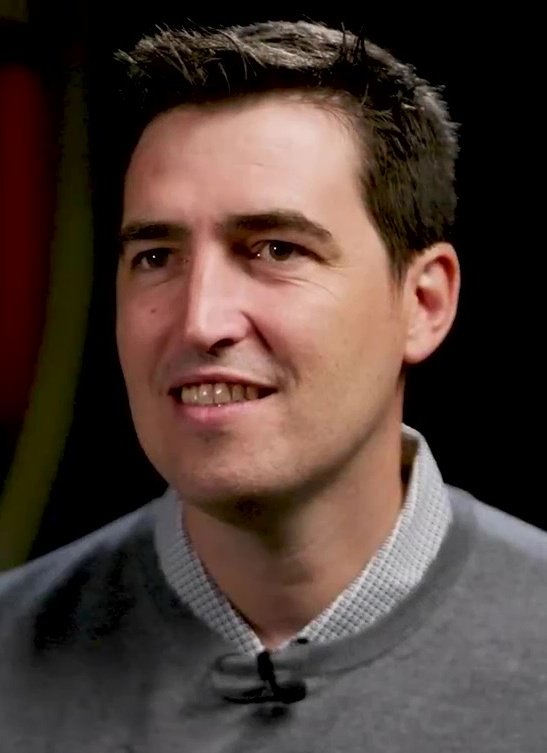
Ruben Dias, City's Portuguese centre-back and one of the most respected defensive leaders in European football, has issued a public statement denying that he cheated on TV presenter Maya Jama following the pair's breakup. The statement, reported by GiveMeSport Football, signals that the story had grown large enough — and damaging enough to his reputation — that silence was no longer a viable option. For a player of Dias's standing, that is a significant moment.
Why This Is a Football Story, Not Just a Tabloid One
Let's be direct: the gossip columns will do what they do with a story involving a high-profile footballer and a television celebrity. That is not what matters here. What matters is that Dias is not a peripheral figure at City — he is, by any honest assessment, central to how Pep Guardiola organises his defensive structure. When Dias is at his best, City's entire backline functions with a different level of composure and authority. His absence — physical or mental — is not something City can simply absorb.
The fact that Dias chose to make a public statement is the detail that should capture every City fan's attention. Elite footballers at elite clubs are surrounded by advisors, agents, and PR professionals whose first instinct is almost always to say nothing and let a story die. When a player overrides that instinct and speaks out, it usually means one of two things: either the story was growing in a direction that genuinely threatened his reputation, or the emotional weight of it had become too significant to manage quietly. Either scenario is worth taking seriously.
How Elite Defenders Have Historically Handled Public Turbulence
History offers some instructive examples here. Defenders, perhaps more than any other position, rely on clarity of thought and emotional composure. A centre-back making split-second decisions under pressure cannot afford to carry significant mental baggage onto the pitch. The question — and it is purely analytical speculation at this stage — is whether Dias's well-documented professionalism will allow him to compartmentalise.
The evidence from his career suggests it might. Dias has built a reputation not just as a talented footballer but as a leader of exceptional psychological resilience. He is the type of player who organises, communicates, and sets the emotional tone for those around him. Those qualities do not disappear overnight. But they are also not immune to sustained external pressure, particularly when that pressure plays out in public and attaches itself to a player's personal character.
What City Fans Will Be Watching For
- Dias's body language and communication on the pitch — the intangible leadership signals that define his best performances
- Whether the story escalates further — a contained moment is manageable; a prolonged media cycle is something else entirely
- Guardiola's man-management response — Pep has navigated player personal crises before and his handling of the situation will be telling
- Performance levels in City's upcoming fixtures — the timing of this story, at this stage of the season, is far from ideal
The Respect Factor
Perhaps the most important context here is the goodwill that Dias has accumulated. This is not a player whose character has ever seriously been questioned by supporters or teammates. He is widely viewed as exactly the kind of professional that modern football needs more of — serious, selfless, and driven by the collective rather than the individual. That reputation will not evaporate because of a difficult personal period, and City's fanbase will largely be in his corner.
But football is ultimately about what happens on the pitch, and the next few weeks will tell us a great deal about Dias the man as much as Dias the footballer. The greatest defenders in the game's history have always been defined not just by their talent, but by their ability to perform when circumstances are stacked against them. This is one of those moments.
Source information via GiveMeSport Football. Original reporting by Dribblestack editorial team.