The Architecture of Uncertainty
In the 18 months since Mateu Alemany assumed his role as Atletico Madrid's Sporting Director, the club has executed one of La Liga's most dramatic squad reconstructions. Sixteen players have departed or arrived. That figure alone tells a story—but what story depends entirely on perspective. Is this the sign of a club with a clear architectural vision, systematically upgrading its foundation? Or evidence of structural instability, a revolving door masking deeper strategic confusion?
The answer matters more than ever as Atletico enters what amounts to Alemany's first complete transfer window with full strategic control. This summer will define whether his mandate is genuine title-challenging reinforcement or expensive triage—and for Simeone's championship ambitions, the distinction is existential.
The Weight of Recent History
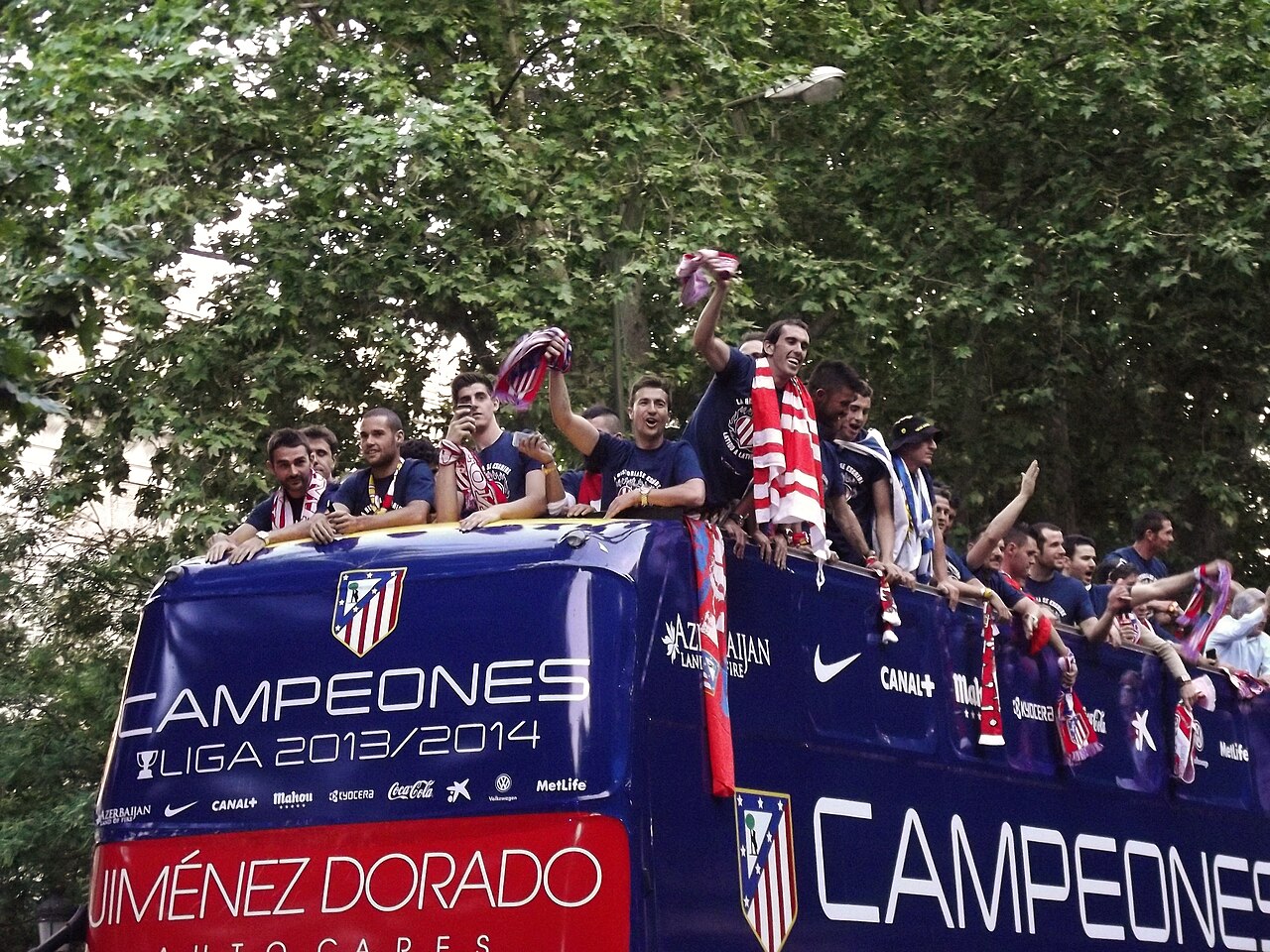
Atletico's two-season turnover rate sits at a level that would concern most elite European clubs. Barcelona, Real Madrid, and Bayern Munich—genuine consistent contenders—operate with far greater squad stability. Yet Atletico has long justified higher churn through the philosophy of continuous improvement and financial pragmatism. Players like Diego Costa, Rodri, and Antoine Griezmann were sold at peak value, funds reinvested strategically.
But there's a critical difference between strategic turnover and reactive shuffling. The gap between these two approaches widens measurably when examining midfield performance. Over the past three seasons, Atletico's central midfield has struggled to maintain the physical dominance and technical consistency that defined their previous title challenges. In 2020-21, their midfield core—Koke, Saúl Ñíguez, and Marcos Llorente—operated as a functioning engine. By 2023-24, that unit had fractured. Koke remains, but Saúl's effective departure (loan then permanent exit) and Llorente's occasional inconsistency left Atletico without the midfield control necessary to compete with Real Madrid's Jude Bellingham-Toni Kroos axis or Barcelona's rejuvenated Gavi-Pedri pairing.
The Midfield Problem: More Than Just Statistics
Atletico's midfield metrics from the 2023-24 season reveal the scale of the issue. The club's passing completion rate in midfield ranked below their European standards, while progressive pass success—the ability to move the ball forward effectively under pressure—dipped to concerning levels. In Champions League knockout phases, Atletico managed just 47.3% possession against elite midfields, a figure suggesting they'd ceded structural control rather than chosen a counter-attacking strategy.
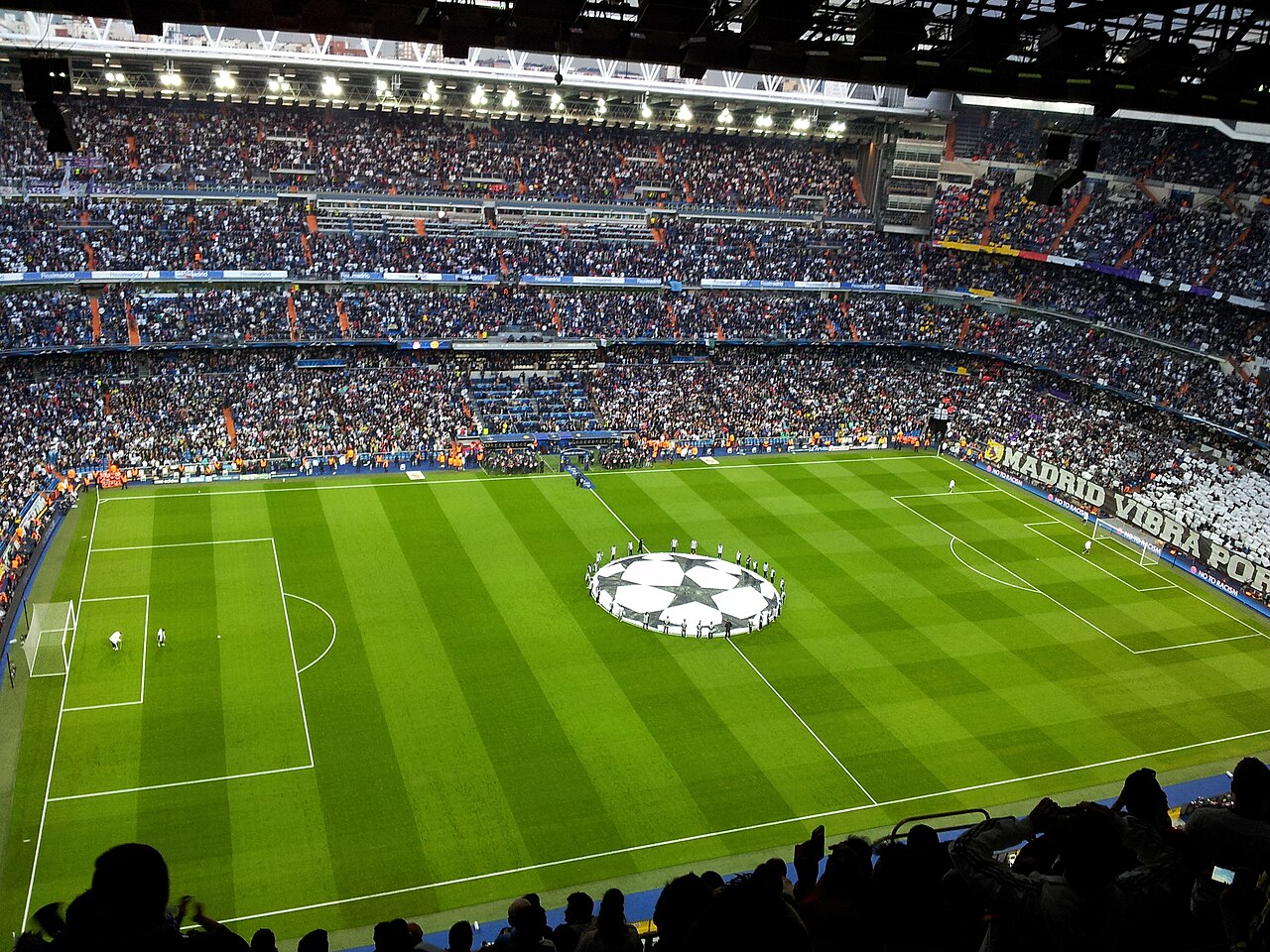
Contrast this with historical performance. During their 2014 Champions League final run, Atletico's midfield won the ball back in opposing halves at a rate of 8.2 times per 90 minutes. By 2024, that figure had dropped to 6.1. They weren't pressing more intelligently; they were simply less equipped to control the middle third of the pitch.
This is where Alemany's summer activity becomes tactically relevant rather than merely financial. A genuine sporting director addressing this weakness would target specific profiles: players capable of breaking opposition rhythm while maintaining possession security, the kind of technician-athletes who can function as both shield and playmaker in a Simeone system.
Alemany's Strategic Mandate
Understanding Alemany's position is essential context. Appointed as Sporting Director with considerable autonomy, he inherited a squad mid-transition and a club environment shaped by underperformance. Atletico finished third in 2023-24—respectable but insufficient for a club that views itself as a La Liga title contender. The Champions League elimination to Paris Saint-Germain stung particularly, as it confirmed the midfield problem in the highest-pressure environment.
For Alemany, this summer represents his opportunity to implement a comprehensive vision rather than continue reactive band-aid solutions. The 16-player movement over two seasons could be reframed as clearing deadwood and establishing infrastructure, provided the inbound recruitment follows coherent logic.
The critical question: does the summer's activity address Atletico's specific architectural weaknesses, or does it represent another rotation cycle? Early indicators suggest Alemany is targeting midfield reinforcement—the right strategic priority. Whether the execution matches the ambition remains uncertain.
The Title Challenge Context
Real Madrid's acquisition of Jude Bellingham and Barcelona's stabilization under Hansi Flick have established a new competitive floor in La Liga. Both clubs' midfields now operate at levels Atletico hasn't matched since 2016. Simeone's tactical philosophy remains elite—his defensive organization and transition efficiency are unquestioned. But philosophy alone cannot compensate for midfield deficiency against technically superior opposition.
Atletico's last genuine title challenge came in 2021-22, when they pushed Real Madrid down to the wire. That midfield featured Koke, Llorente, and a supporting cast of pressing intensity and positional intelligence. Rebuilding that template—or creating a evolved version—is Alemany's implicit mission.
Reading the Tea Leaves
The summer transfer narrative will clarify Alemany's true strategic direction. Significant midfield investment—whether through marquee signings or intelligent acquisition of undervalued technicians—would suggest he's building for sustained competitiveness. Peripheral additions or another cycle of young prospect integration would indicate continued evolution without genuine title-challenging reinforcement.
For Atletico's fanbase, the emotional tension is acute. The club has become trapped in a maddening cycle: good enough to challenge, never quite equipped to complete. Simeone deserves better. The question Alemany must answer this summer is whether he's finally providing it.
Source information via Football España. Original reporting by Dribblestack editorial team.